As a parent, you want the very best for your child, and that includes a healthy, confident smile. You might notice changes in your child’s teeth as they grow, such as crowding, spacing, or issues with their bite. This can lead to questions about braces and whether your child might need them. While many people associate orthodontics with the teenage years, some children can benefit significantly from an earlier approach. This is known as early, or interceptive, orthodontic treatment.
Understanding the right time for an orthodontic evaluation can make a major difference in your child's long-term dental health. The American Association of Orthodontists recommends that all children have their first orthodontic screening by age seven. This early check-up allows a specialist to identify subtle problems with jaw growth and emerging teeth while the primary (or baby) teeth are still present. Addressing these concerns at a young age can often lead to simpler, more effective treatment down the road. It helps guide proper jaw development, correct harmful oral habits, and create a better environment for permanent teeth to erupt.
What is Early Orthodontic Treatment?
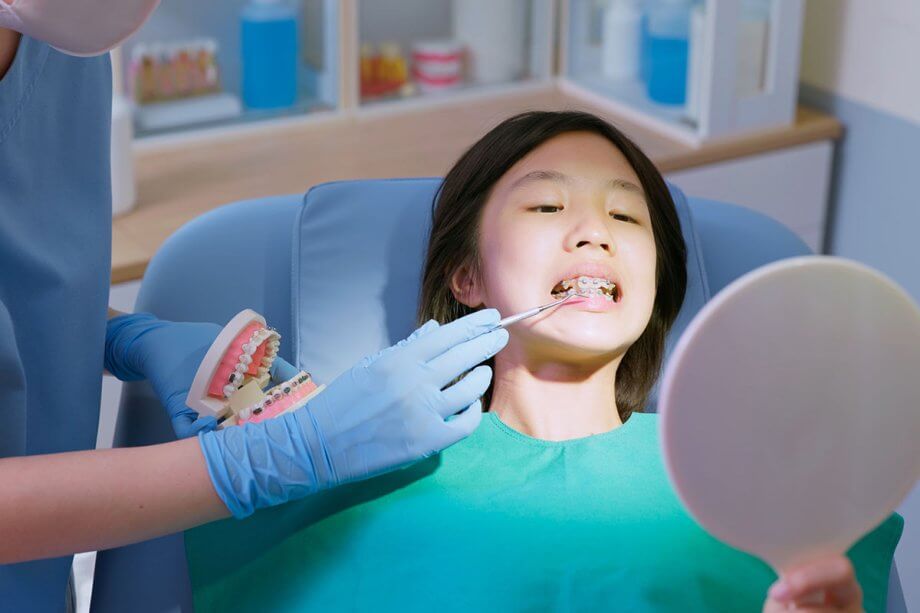
Early orthodontic treatment, also called Phase I treatment, is a specialized approach designed to address developmental issues with a child’s jaw and teeth before all permanent teeth have come in. Unlike comprehensive orthodontic treatment that typically begins in the pre-teen or teenage years, this first phase focuses on intercepting problems at an early stage. The primary goal is not to perfect the alignment of every tooth but to ensure the jaw is developing correctly and to make adequate space for the permanent teeth that are on their way.
This proactive care can prevent more serious issues from developing and may reduce the complexity of future treatments. For example, an orthodontist might use an appliance like a palatal expander to widen a narrow upper jaw, which is much easier to do in a growing child. Other common goals of Phase I include correcting crossbites, severe crowding, and significant protrusions. By addressing the underlying structural problems first, early orthodontic treatment sets the stage for a healthier and more stable smile as your child continues to grow.
Key Signs Your Child May Need an Early Evaluation
While an orthodontic screening by age seven is recommended for all children, certain signs may indicate that your child could benefit from an evaluation even sooner. Paying attention to how your child’s teeth and jaw are developing can help you spot potential issues. One of the most common indicators is difficulty with chewing or biting. You might also notice your child breathing through their mouth instead of their nose, which can affect facial and jaw development.
Other visible signs include teeth that appear crowded, misplaced, or blocked out. For example, if you see that your child's top and bottom teeth don't come together correctly when they bite down, this could be a crossbite. Protruding teeth, often called an overbite, are another concern, as they are more susceptible to injury. Early or late loss of baby teeth can also signal a problem with spacing for the permanent teeth. If you observe any of these signs, or if your child has habits like thumb-sucking beyond age five, scheduling an orthodontic consultation is a wise step.
Benefits of Interceptive Orthodontic Care
The advantages of addressing orthodontic issues early are significant and can have a lasting impact on your child’s oral health and well-being. One of the main benefits is the ability to guide jaw growth and create a more harmonious relationship between the upper and lower jaws. This can prevent the need for jaw surgery or more invasive procedures later in life. By making more space for crowded teeth, early treatment can also reduce the likelihood of needing permanent tooth extractions in the future.
Furthermore, interceptive care can correct harmful oral habits like thumb-sucking or tongue-thrusting that can contribute to developmental problems. Addressing protruding front teeth not only improves appearance but also protects them from being chipped or fractured during play. Perhaps most importantly, early intervention can simplify and shorten the time your child may need to wear braces during their teen years (Phase II). It lays a proper foundation, making the final phase of treatment more efficient and effective, and ultimately contributes to a healthy, beautiful smile that boosts your child's confidence.
Starting the conversation about your child’s orthodontic needs early is a proactive step toward ensuring their lifelong dental health. An evaluation around age seven allows an orthodontist to assess their unique development and determine if interceptive treatment is necessary. By identifying and addressing potential issues with jaw growth, spacing, and bite alignment at a young age, you can help prevent more complex problems from arising. This early approach often leads to simpler, more effective treatments and gives your child the best opportunity to achieve a functional and confident smile that will last a lifetime.
FAQs
What is the difference between Phase I and Phase II orthodontic treatment?
Phase I, or early interceptive treatment, is performed while a child still has some of their primary teeth. Its purpose is to correct developmental issues with the jaw and make space for permanent teeth. Phase II is what most people think of as traditional braces. It begins after all permanent teeth have erupted and focuses on straightening the teeth and perfecting the bite. Not all children who have Phase I treatment will need Phase II, but it often makes the second phase shorter and simpler if it is required.
Will early orthodontic treatment be uncomfortable for my child?
Orthodontic appliances are designed with your child’s comfort in mind. When an appliance is first placed or adjusted, your child may experience some mild soreness or discomfort as their mouth adapts. This feeling is temporary and can usually be managed with over-the-counter pain relievers. Our team provides detailed instructions on how to care for the appliances and manage any initial tenderness. We work to ensure the process is as smooth and comfortable as possible for every young patient.
At Tender Smiles 4 Kids, we are dedicated to providing compassionate and expert care to guide your child’s dental development. Our experienced team is here to answer your questions and create a personalized treatment plan that supports a lifetime of healthy smiles. If you have questions about your child’s orthodontic needs or wish to schedule a consultation, please do not hesitate to contact us. We look forward to partnering with you in your child’s oral health journey.