Every parent wants their child’s dental visit to be a positive, stress-free experience. Yet, we know that for some children, the dentist’s chair can bring about feelings of anxiety or fear. Whether it’s a routine cleaning or a more involved procedure, helping your child feel calm and comfortable is our top priority. At Tender Smiles 4 Kids, we often recommend sedation options to help manage anxiety and ensure treatments are completed safely and effectively. Two of the most common methods we use are nitrous oxide and oral sedation.
While both options are safe and effective, they work in different ways and are suited for different levels of anxiety or types of procedures. Understanding the distinctions between these two methods can help you feel more confident in the decisions we make together for your child's oral health. We believe in partnering with parents to choose the right approach, ensuring that your little one leaves our office with a healthy smile and a positive memory of their visit.
How Sedation Is Administered
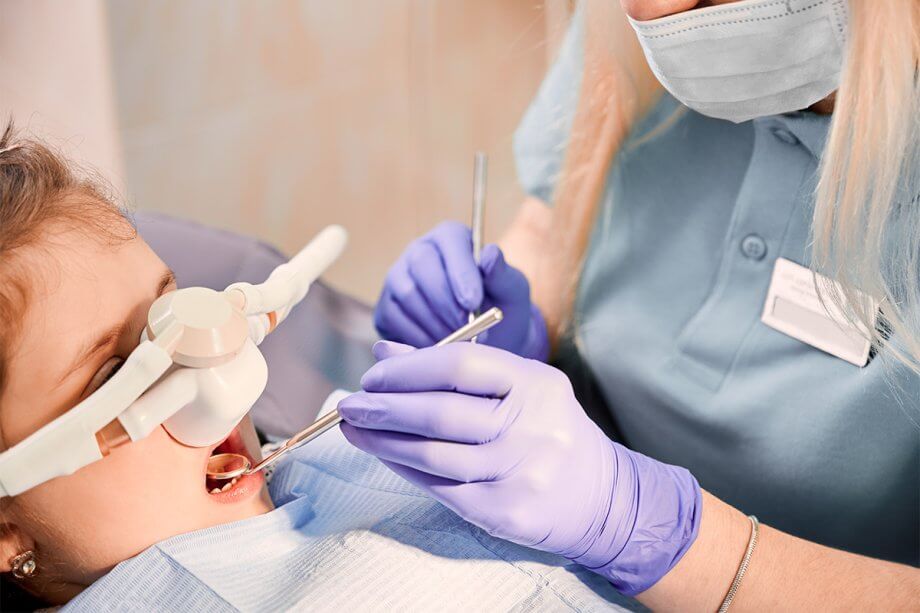
One of the most noticeable differences between these two options is how they are given to the child. Nitrous oxide, often called "laughing gas," is administered through a small, comfortable mask placed over the child's nose. The child simply breathes in a mixture of oxygen and nitrous oxide gas. It’s a very gentle process, and many children find the mask easy to wear, especially since we often have flavored scents to make the experience more pleasant. The effects are felt almost immediately as they breathe, helping them relax within moments of sitting in the chair.
In contrast, oral conscious sedation involves taking medication by mouth before the procedure begins. This is usually in the form of a liquid syrup or a pill, depending on the child's age and ability to swallow. Because the medication takes time to enter the bloodstream, it requires a bit more planning. We typically administer this medication in the office and then wait a specific amount of time—often around 20 to 45 minutes—for it to take full effect before starting any dental work. This method is often preferred for children who might be uncomfortable with a mask on their face or who require a deeper level of relaxation than gas can provide.
The Level of Relaxation and Duration
When we discuss sedation dentistry, parents often ask about how "out of it" their child will be. Nitrous oxide provides a mild form of sedation. Your child remains fully awake, alert, and able to follow instructions, but they will feel a sense of calm, happiness, and sometimes a bit of tingling in their fingers or toes. The beauty of nitrous oxide is that its effects wear off almost instantly once the mask is removed and the child breathes pure oxygen for a few minutes. This means they can usually return to school or normal activities right after their appointment.
Oral sedation provides a moderate level of sedation, which is deeper than nitrous oxide. While the child is still technically awake and can respond to commands, they are much more relaxed and may feel drowsy or even nap lightly during the procedure. They might not remember much of the visit afterwards, which can be a significant benefit for children with high anxiety or negative past experiences. Unlike the quick recovery from laughing gas, the effects of oral sedation can linger for several hours. Children who undergo oral sedation will need to be monitored by a parent at home for the rest of the day and should not return to school until the next day.
Suitability for Different Needs
Choosing between nitrous oxide and oral sedation often comes down to the child's specific needs and the length of the procedure. Nitrous oxide is excellent for children with mild anxiety, a strong gag reflex, or for shorter appointments like fillings. It is highly adjustable; we can increase or decrease the level of sedation instantly during the procedure to match the child's comfort level. It is a fantastic tool for taking the "edge" off and helping cooperative children get through treatment without stress.
Oral sedation is generally recommended for children who have higher levels of anxiety, are very young and unable to sit still, or require more extensive dental work that takes a longer time to complete. Because it provides a deeper state of relaxation, it helps prevent the child from becoming restless or overwhelmed during a long appointment. It is also useful for children who have difficulty cooperating due to age or special healthcare needs. However, unlike nitrous oxide, the level of sedation cannot be easily adjusted once the medication has been taken, so we carefully calculate the dosage based on your child's weight and health history to ensure maximum safety and effectiveness.
Making the Right Choice for Your Child
Ultimately, the goal of any sedation method is to allow your child to receive necessary dental care without fear or pain. Both nitrous oxide and oral sedation have excellent safety records when administered by trained pediatric professionals. During your consultation, we will review your child’s medical history, discuss their anxiety levels, and explain the planned dental work to recommend the best option. We are here to answer all your questions and ensure you feel completely at ease with the plan. Seeing your child smile confidently and without fear is what drives us every day.
Frequently Asked Questions
Is dental sedation safe for my child?
Yes, dental sedation is extremely safe when administered by experienced pediatric dentists. At Tender Smiles 4 Kids, our doctors have specialized training in pediatric sedation techniques and follow strict safety guidelines aimed at protecting your child. We monitor your child's vital signs, including heart rate and oxygen levels, throughout the entire procedure to ensure their safety. Before any sedation is administered, we conduct a thorough review of your child’s medical history to rule out any potential contraindications.
Will my child fall asleep during the procedure?
It depends on the type of sedation used. With nitrous oxide, children remain fully awake and alert, though very relaxed. With oral sedation, your child will be in a deeper state of relaxation and may feel drowsy enough to drift into a light sleep. However, they can still be easily woken up and are able to respond to simple commands. Our goal is not necessarily to put them to sleep, but to make them comfortable enough that they don't feel anxiety or stress during the treatment.
At Tender Smiles 4 Kids, we are dedicated to providing a warm, safe, and positive dental home for your family. If you have questions about our sedation options or need to book a visit, please schedule an appointment with our caring team today.